A clear, step-by-step path so you get the inspection, documentation, and coverage you deserve after storm damage.
Overview
Filing a roof insurance claim can feel overwhelming. The right sequence of actions—inspection first, documented evidence, and professional representation at the adjuster meeting—protects your home and improves odds of a full, fair settlement.
Step-by-step process
1. Don’t rush repairs; get an inspection first
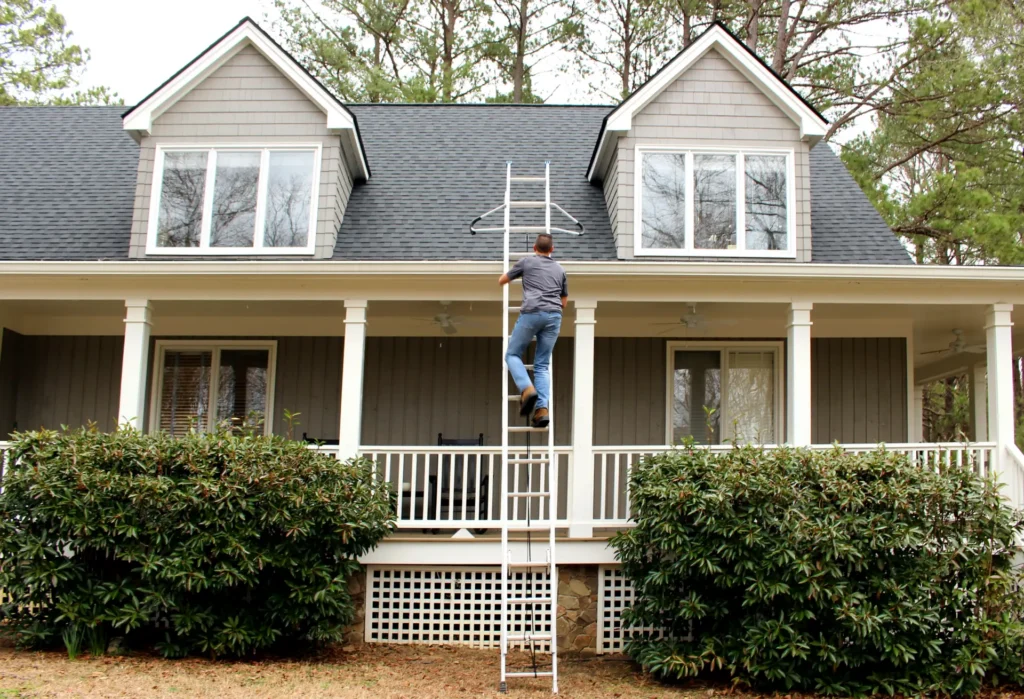
Before doing permanent repairs, have a licensed roofer inspect the roof. A professional inspection identifies visible and hidden damage, produces an estimate, and documents conditions the insurer will evaluate.
2. Document everything
Build a clear, dated record for your claim.
- Wide-angle photos of the roof and property
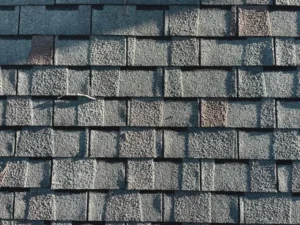
- Close-ups of damaged shingles, flashing, vents, gutters
- Interior photos of ceiling stains or leaks
- Video walkthroughs naming the date and location
- Keep receipts for emergency costs (tarping, temp repairs)
3. Notify your insurer promptly
Call your carrier and file a claim as soon as you can. Provide basic facts, then follow up with the inspection report and photo evidence. Early notice helps meet policy timelines.
4. Use temporary protection when needed
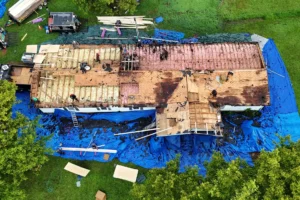
If the roof is actively leaking, arrange emergency tarping. Tarping preserves evidence, prevents further damage, and is generally reimbursable—save the receipts and photos.
5. Schedule the adjuster meeting with representation
Have your roofer attend the adjuster visit. A contractor can clarify technical points, point out hidden or secondary damage, and help ensure the adjuster documents repairs accurately.
6. Review the estimate and scope carefully
Compare the insurer’s scope with your roofer’s estimate. If there are omissions, ask the insurer to re-evaluate or provide supplemental documentation supported by your contractor’s report.
7. Keep organized records through completion
Save all correspondence, estimates, photos, receipts, and final invoices. Proper documentation makes warranty registration and any future disputes easier to resolve.
Common mistakes to avoid
- Making permanent repairs before documenting damage
- Discarding old shingles or roofing materials before inspection
- Relying on verbal promises instead of written estimates
- Not having contractor representation at the adjuster visit
- Assuming all damage is visible from ground level
Documentation checklist
- Inspection report and contractor estimate
- High-resolution photos and video (before and after tarp)
- Receipts for emergency services and temporary measures
- Insurance claim number and adjuster contact info
- Written communications with the carrier (emails, letters)
- Final contractor invoice and warranty paperwork
Working with your contractor and insurer
Choose a local, licensed roofing contractor who documents scope and keeps copies for your claim file. Expect your roofer to:
- Provide a clear inspection report and scope of repair
- Attend the adjuster meeting and explain technical items
- Document materials and labor for warranty and insurer review
- Handle final paperwork and warranty registration after completion
Artisan Quality Roofing offers inspection reports, photo documentation, and adjuster representation across Apex, Cary, Raleigh, Durham, and surrounding Triangle cities.
Frequently asked questions
How long will the claims process take?
Timelines vary by carrier and workload; small claims can close in weeks, complex replacements may take longer. Prompt documentation and roofer support speed the process.
Will my premiums go up if I file?
It depends on your carrier and claims history. Discuss this with your agent; sometimes a roof claim for storm damage does not change rates depending on policy terms.
What if the insurer denies part of the claim?
Ask for a written denial or explanation, then submit supplemental documentation from your contractor. If needed, request a re-inspection or an independent appraisal per your policy.