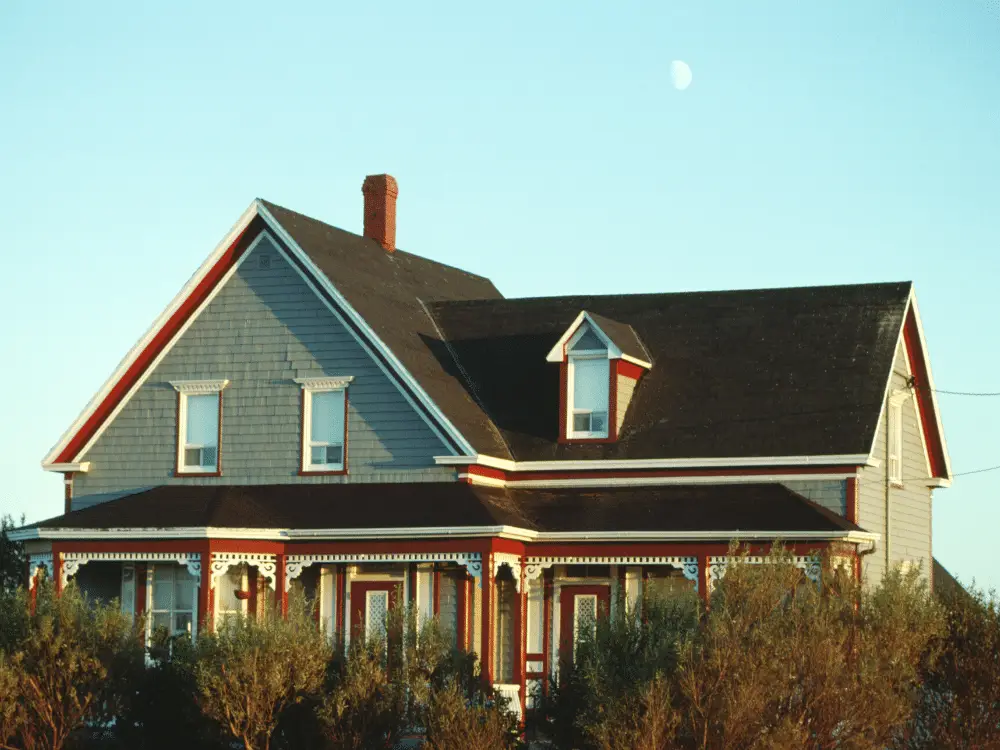
Understanding your roof’s impact on home insurance rates
Your roof is the first line of defense. Its age, materials, and condition can lower your premiums—or push them higher.
Why your roof matters to insurers
Insurers price policies around risk. Because most weather-related claims start at the roof, carriers weigh its condition and resilience heavily when setting premiums.
- Risk exposure: Roofs face wind, hail, rain intrusion, and fire threats more than any other exterior element.
- Claims likelihood: Roof damage is a common driver of homeowner claims, which directly influences annual costs.
- Underwriting scrutiny: Carriers may request photos, inspections, or proof of recent upgrades before renewal.
Key factors that influence insurance rates
Roof age and life expectancy
Newer roofs generally reduce risk for carriers, which can translate into more favorable rates. As roofs age, the likelihood of leaks, wind uplift, and shingle failure rises, and insurers may add conditions or surcharges.
- Recent replacement: Provide proof of install date, warranty terms, and system components to your carrier.
- End-of-life signals: Curling shingles, granule loss, soft decking, and repeated repairs increase underwriting concerns.
Materials, ratings, and resilience
| Material | Insurance impact | Notes |
|---|---|---|
| Metal | Often favorable | Durable, fire-resistant; can offer strong wind and hail performance when properly installed. |
| Slate / Tile | Favorable | High longevity and fire resistance; structural load and cost considerations apply. |
| Class 4 impact-rated asphalt | Potential credits | Designed to resist hail; some carriers offer incentives when documentation is provided. |
| Standard asphalt shingles | Neutral | Most common; outcomes depend on installation quality, ventilation, and maintenance. |
| Wood shakes | Less favorable | Higher fire and weather vulnerability; local code and wildfire risks may apply. |
Roof design and installation quality
Design affects how a roof handles wind and water. Hip roofs often diffuse wind loads better than gable configurations, and continuous pathways for water and ventilation reduce failure risk.
- Wind performance: Proper fastening patterns, underlayment, and edge metal guard against uplift.
- Water management: Valleys, flashing, and sealed penetrations prevent intrusion and mold.
- Ventilation: Balanced intake and exhaust extend shingle life and stabilize attic moisture.
Condition, documentation, and maintenance
Carriers respond to what they can verify. Clean records, photos, and timely repairs help you avoid non-renewal or rate increases tied to roof neglect.
- Photo evidence: Keep date-stamped images of the roof, flashing, and attic after storms and repairs.
- Maintenance logs: Track inspections, patchwork, and warranty service.
- Professional assessments: Share inspection summaries highlighting condition and corrective actions.
Practical steps to manage your insurance costs
Schedule preventative inspections
Annual or post-storm checks catch small issues before they become claims. Insurers value proactive maintenance and documented repairs.
Consider impact and fire resistance
Upgrades like Class 4 shingles, synthetics, or metal can improve resilience. Ask your insurer about any documentation they require for credits.
Verify installation details
Proper underlayment, starter courses, ridge ventilation, and correct nailing patterns reduce failure modes insurers worry about.
Bundle documentation for your carrier
Provide invoices, product data sheets, warranty terms, and inspection summaries to support lower-risk underwriting.
Triangle-focused considerations
From Apex to Raleigh, Cary, and Chapel Hill, seasonal thunderstorms, humidity, and occasional hail shape how roofs age and perform. Selecting resilient materials and ensuring airtight flashing around chimneys, skylights, and vents pays off in fewer surprises.
- Storm readiness: Confirm secure edge metal, sealed valleys, and intact ridge caps before peak storm months.
- Heat and humidity: Prioritize ventilation and attic air sealing to limit moisture-related deterioration.
- Hail risk: Consider impact-rated systems and keep post-storm documentation for potential credits.
Quick homeowner checklist
- Confirm roof age: Keep install date and warranty terms accessible.
- Record materials: Note shingle type and any impact/fire ratings.
- Document condition: Save photos after storms and repairs.
- Schedule inspections: Book annual checkups and after severe weather.
- Notify your carrier: Share upgrades and inspection results proactively.
Need a roof inspection or upgrade recommendation?
Artisan Quality Roofing provides detailed inspections, documentation bundles for insurers, and guidance on materials that fit your home and budget.
Serving Apex, Cary, Raleigh, Chapel Hill, and nearby Triangle communities.
Frequently asked questions
Does a new roof lower home insurance rates?
Often, yes. New systems reduce claim risk and can qualify for credits depending on the carrier’s underwriting guidelines.
Which upgrades are most likely to help?
Impact-resistant shingles, improved ventilation, sealed flashing, and documented professional installation can improve underwriting outcomes.
Can roof condition cause non-renewal?
Insurers may non-renew policies for roofs showing advanced wear or unresolved damage. Routine maintenance helps avoid surprises.
Conclusion
Your roof is more than a structural system—it is a key financial lever in your homeowner policy. By prioritizing durable materials, precise installation, and proactive maintenance with clear documentation, you put yourself in the best position to manage premiums and protect your home.
This article provides general homeowner information. Insurance credits vary by carrier and policy. Consult your agent for specific terms.