⚡ Myth vs. Reality
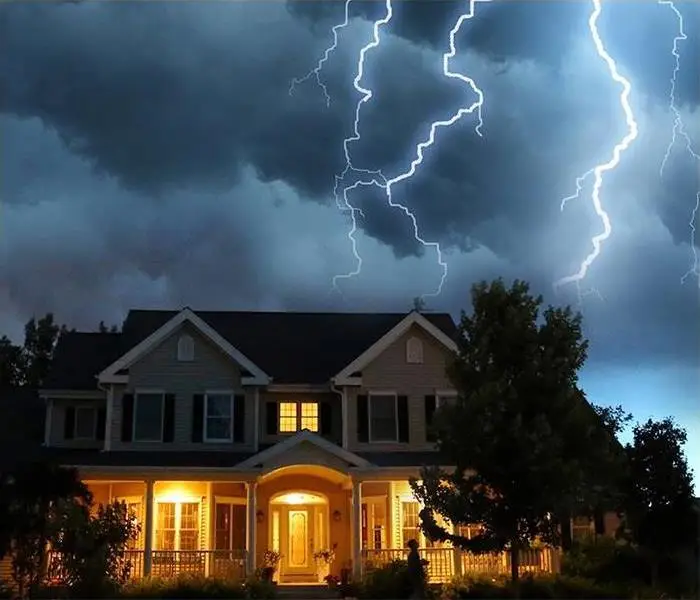
Let’s bust the myth: metal roofs do not attract lightning. Lightning is drawn to height and isolation—not material. Metal conducts electricity, but it doesn’t “pull” lightning in.
- Lightning targets elevation: Tall trees, chimneys, and utility poles are more likely to be struck than a metal roof.
- Conductivity ≠ attraction: Metal safely disperses energy if struck, but it doesn’t increase strike probability.
In the Triangle region, where summer storms are frequent, understanding this distinction helps homeowners make smarter roofing decisions.
🔥 Why Metal Roofs Are Safer
- Fire-resistant: Metal has a Class A fire rating and won’t ignite under extreme heat.
- Energy dispersion: The charge spreads across the roof and into the ground, reducing fire risk.
- Durability: Metal panels are engineered to withstand high winds and heavy rain.
These features make metal roofing ideal for homes in Apex, Cary, Raleigh, Durham, and Chapel Hill.
🛡️ Should You Ground Your Metal Roof?
Grounding isn’t required for most residential metal roofs, but it can enhance safety—especially for homes on elevated terrain or in isolated areas.
Our technicians assess each property and recommend grounding only when it adds measurable protection.
📍 Triangle-Specific Risk Factors
- Frequent lightning storms: Especially in summer months
- High humidity: Increases mold risk without proper roofing protection
- Wind exposure: Metal roofs resist uplift better than asphalt shingles
Choosing a metal roof means choosing resilience, especially in Raleigh, Durham, Chapel Hill, Apex, and Cary.
⚡ Lightning Density: Why It Matters
North Carolina ranks high in lightning-related injuries and deaths, especially during summer. While Florida has the highest strike density, the Southeast—including the Triangle—is a hotspot for electrical storms.
- Peak season: June through August
- Triangle vulnerability: Frequent afternoon storms and high humidity
- Homeowner takeaway: Metal roofing offers fire-resistant protection when it matters most
For expert guidance on lightning safety and roofing materials, visit the National Weather Service Lightning Safety page and review McElroy Metal’s lightning protection guide.
🌱 Bonus Benefits of Metal Roofing
- Longevity: Lasts 40–70 years with minimal maintenance
- Energy efficiency: Reflects solar heat, lowering cooling costs
- Eco-friendly: Often made from recycled materials and fully recyclable
✅ Key Takeaways
- Metal roofs do not attract lightning.
- They’re safer than traditional materials during strikes.
- They’re ideal for Triangle homes facing seasonal storms.
- Grounding is optional but can enhance protection in exposed locations.
❓ Frequently Asked Questions
-
Does a metal roof increase the chance of lightning strikes?
No. Lightning targets height and isolation—not material. A metal roof conducts electricity safely if a strike occurs, but it doesn’t attract lightning.
-
Is a metal roof safer than asphalt shingles during lightning storms?
Yes. Metal roofs are fire-resistant and disperse electrical energy across their surface, reducing the risk of ignition or damage. Asphalt shingles can burn or melt under extreme heat.
-
Should I ground my metal roof?
Grounding isn’t required for most residential metal roofs, but it can enhance safety—especially for homes on hills or in isolated areas. Our team can assess your property and recommend grounding if needed.
-
Will a metal roof protect my home during Triangle storms?
Absolutely. Metal roofing is ideal for homes in Apex, Cary, Raleigh, Durham, and Chapel Hill. It resists